

A child who can solve a math problem may still need guidance on handling frustration, making choices, or completing everyday tasks.
Life skills help children become confident, responsible, and independent. Skills like communication, problem-solving, self-care, and decision-making develop gradually through practice, support, and daily experiences.
Academic learning is important, but these practical abilities help children manage challenges, build relationships, and adapt to new situations.
By teaching life skills at the right stage of development, parents can give children the tools they need to grow into capable and self-reliant individuals.
Quick Answer: What Are Life Skills for Kids?
Life skills for kids are practical abilities that help children manage daily tasks, emotions, and challenges.
These skills include communication, problem-solving, decision-making, self-care, and responsibility. Children develop different life skills at different ages through practice, guidance, and real-life experiences.
Learning these abilities helps them become more confident, adaptable, and independent as they grow.
These everyday abilities also help children build healthy relationships, make better decisions, and adapt to new situations with greater confidence.
As they grow, strong life skills prepare them for greater independence at home, in school, and later in adulthood.
Why Do Life Skills Matter for Children?
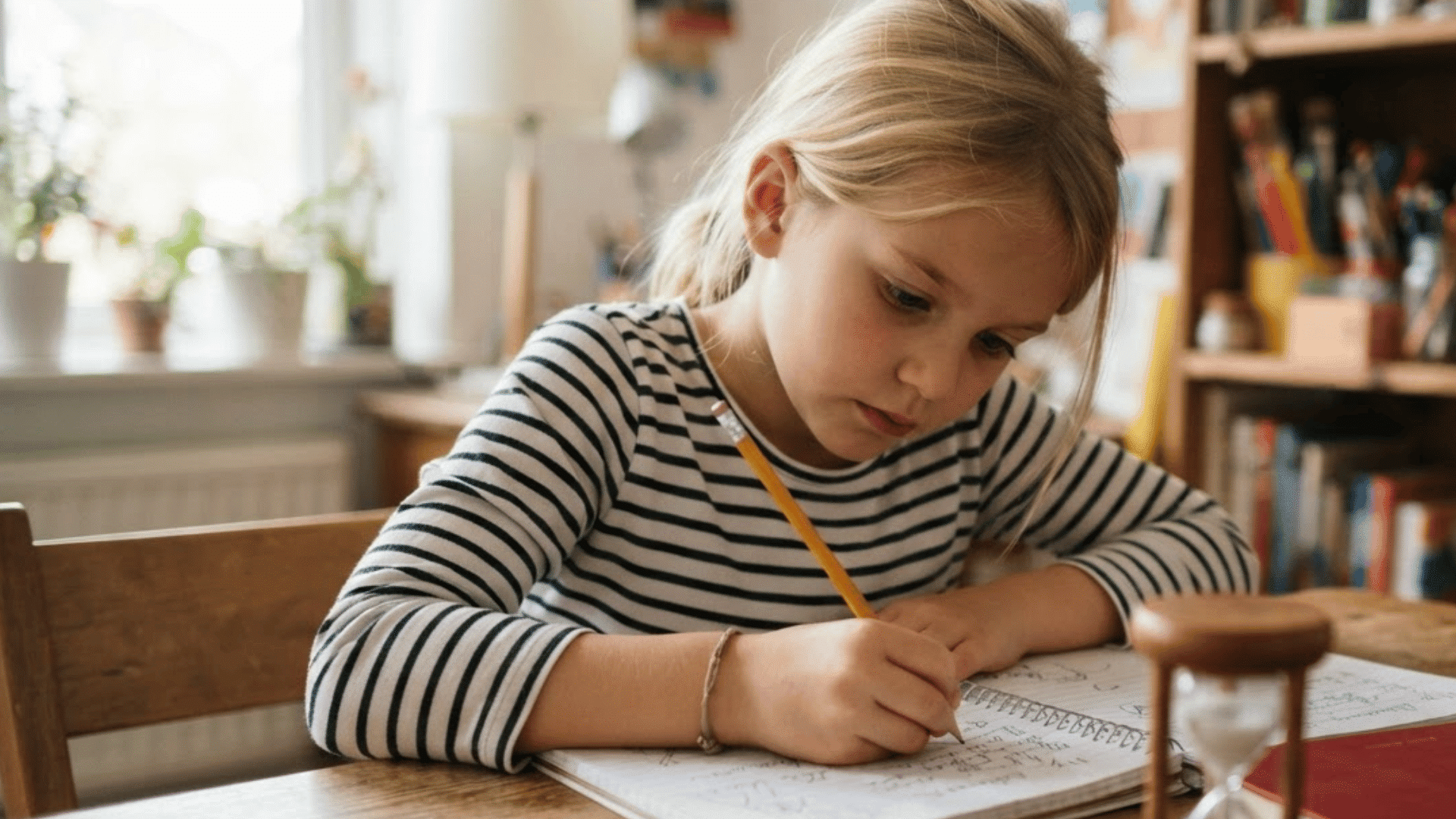
Life skills help children handle everyday challenges, build confidence, and develop the independence needed for healthy growth and future success.
- Build Confidence and Independence: Help children complete tasks, make choices, and trust their abilities.
- Improve Problem-Solving Abilities: Teach children to find solutions and handle challenges with better thinking skills.
- Manage Emotions and Challenges: Help children understand feelings, stay calm, and respond positively during difficulties.
- Encourage Responsibility and Self-Discipline: Teach children to complete tasks, follow routines, and take ownership.
- Prepare for School, Relationships, and Adulthood: Develop skills needed for learning, communication, and future responsibilities.
Important Life Skills Kids Should Learn

Life skills help children build confidence, independence, and practical abilities needed to handle everyday challenges and future responsibilities successfully.
1. Decision-Making Skills
Decision-making helps children learn how to evaluate choices and understand outcomes in everyday situations. Encourage them to make age-appropriate decisions, think before acting, and consider possible consequences.
Simple choices like selecting activities, planning tasks, or solving small problems build confidence and prepare them to handle bigger decisions independently with greater awareness.
Ask open-ended questions that encourage children to explain why they made a particular choice.
Over time, regular decision-making opportunities strengthen judgment, responsibility, and confidence in handling new situations.
2. Problem-Solving Skills
Problem-solving teaches children how to handle challenges calmly and find practical solutions in different situations. Encourage them to identify problems, explore different options, and ask for help when needed.
These skills improve creativity, independence, and confidence while helping children manage everyday difficulties more effectively through logical thinking and patience.
Guide children through challenges instead of solving every problem for them.
Celebrating their efforts, even when mistakes happen, helps develop resilience and a positive approach to learning.
3. Time Management Basics
Learning time management helps children balance responsibilities, activities, and personal goals. Teach them to follow routines, complete tasks on schedule, and prioritize important activities.
Simple habits like using planners, setting reminders, and organizing daily tasks can help children become more responsible, focused, and prepared for future challenges.
Break larger tasks into smaller, manageable steps to prevent children from feeling overwhelmed.
As they develop consistent habits, children become more independent and productive in school and daily life.
4. Money Management
Money management teaches children the importance of saving, spending, and making thoughtful financial choices.
Help them understand the value of money through simple budgeting activities, saving goals, and responsible spending habits.
These lessons build financial awareness, discipline, and confidence while preparing them for future independence.
Providing a small allowance or involving children in simple shopping decisions gives them practical experience. Explain the difference between needs and wants while encouraging savings for future goals.
5. Organization Skills
Organization skills help children manage their belongings, schoolwork, and daily responsibilities efficiently. Encourage them to keep items in designated places, plan tasks, and maintain simple routines.
Good organization reduces stress, improves focus, and helps children develop responsibility, independence, and better time management habits.
Teach children to tidy up after activities and create simple checklists for daily responsibilities.
These habits improve productivity and reduce frustration during busy routines.
6. Social Skills and Teamwork
Social skills help children communicate, cooperate, and build positive relationships with others. Teach them to respect different opinions, share responsibilities, and work together toward common goals.
Strong teamwork skills improve confidence, empathy, communication, and the ability to handle group situations effectively.
Encourage participation in group games, family activities, and school projects that require cooperation.
Practicing turn-taking and sharing skills during group games gives younger children an early, low-stakes way to build this skill.
7. Critical Thinking
Critical thinking helps children analyze information, ask meaningful questions, and make informed choices.
Encourage them to explore ideas, consider different perspectives, and avoid accepting everything without understanding.
These skills support better decision-making and problem-solving, and help children become thoughtful, independent learners.
Ask children “why” and “how” questions to encourage deeper thinking rather than memorizing answers. Reading, puzzles, and real-life discussions help them evaluate information carefully.
8. Stress Management
Stress management teaches children how to recognize emotions and handle challenging situations in healthy ways. Encourage relaxation techniques, positive thinking, and open communication about feelings.
Learning these coping strategies helps children build emotional strength, resilience, self-awareness, and confidence when facing difficulties.
Healthy habits such as regular exercise, adequate sleep, and mindfulness activities can reduce everyday stress. Remind children that asking for support is a sign of strength, not weakness.
9. Personal Safety Skills
Personal safety skills teach children how to protect themselves and make smart choices in different environments. Help them understand boundaries, recognize unsafe situations, and learn basic emergency responses.
These skills encourage awareness, confidence, responsibility, and safer decision-making in daily life.
Teach children how to identify trusted adults, remember important contact information, and understand basic online safety. Role-playing different scenarios can help them practice responding appropriately.
For school-age kids specifically, handling school peer pressure is one of the most common safety-adjacent decisions they face day to day.
10. Goal Setting
Goal setting helps children understand how to work toward achievements through planning and consistent effort. Teach them to create realistic goals, break them into smaller steps, and track progress.
Setting personal development goalsalso teaches them to identify areas for improvement, track progress, and build habits that support long-term growth.
Celebrate small milestones to keep children motivated and reinforce positive habits along the way.
Over time, goal setting builds perseverance, self-confidence, responsibility, and a growth mindset that supports success in school and everyday life.
11. Communication and Relationship Skills
Strong communication skills help children express thoughts, listen actively, and build healthy relationships with others.
Teach them to share opinions respectfully, handle disagreements calmly, and understand others’ feelings.
Encourage regular conversations at home, active listening, and respectful responses during everyday interactions.
These abilities support better friendships, teamwork, emotional connections, positive social interactions, greater empathy, stronger conflict resolution skills, and lasting relationships throughout life.
12. Practical Life Skills
Practical life skills prepare children to handle everyday responsibilities independently and confidently. Teach basics like cooking simple meals, completing household tasks, and managing personal needs.
These skills build confidence, independence, problem-solving abilities, and the ability to take care of themselves as they grow.
Start with simple, age-appropriate tasks and gradually increase responsibility as children become more capable.
Allow them to practice regularly, even if mistakes happen along the way. Hands-on experience helps children develop confidence, responsibility, and valuable everyday skills.
13. Digital Literacy and Online Safety
Digital literacy helps children use technology responsibly while staying safe online.
Teach them how to create strong passwords, protect personal information, recognize suspicious messages, and think carefully before sharing photos or details on the internet.
As children grow, discuss topics like cyberbullying, online scams, and the importance of respectful online behavior.
Setting age-appropriate screen time limits and encouraging open conversations about online experiences also help children develop healthy digital habits.
These skills prepare them to use technology confidently, responsibly, and safely in everyday life
14. Self-Management Skills
Self-management helps children take control of their actions, habits, emotions, and responsibilities.
Teach them to manage time, stay organized, build healthy routines, and take ownership of decisions. Encourage children to set personal goals, monitor their progress, and reflect on what they can improve.
Consistent routines and positive reinforcement help build self-control and accountability.
These habits support success at school, home, and in future responsibilities.
15. Career and Future Planning
Career and future planning helps children explore interests, strengths, and possible goals for their future. Encourage them to explore different opportunities, develop useful skills, and consider career paths.
Early guidance helps children build confidence, make informed choices, and prepare for future opportunities.
Expose children to a variety of careers through books, educational activities, and conversations with professionals. Support their interests while encouraging curiosity and lifelong learning.
Understanding different opportunities helps children make thoughtful decisions about their future goals and aspirations.
Why Learning Life Skills Early Helps Children Succeed?
Learning life skills early helps children become more confident, independent, and prepared to handle everyday challenges.
Skills like communication, problem-solving, decision-making, and emotional control allow children to manage situations more effectively as they grow.
Early practice also helps them develop responsibility, build stronger relationships, and adapt to new experiences with confidence.
According to a BMC Public Health study, life skills education improved adolescents’ self-efficacy, resilience, school attendance, and socio-emotional development outcomes.
When children learn these abilities through daily activities and guidance, they become better equipped to make choices, solve problems, and take ownership of their actions.
How Parents Can Teach Life Skills Effectively?
Parents can help children develop life skills by creating opportunities to practice, learn, and take responsibility in everyday situations.
- Let Children Practice Independently: Allow children to complete tasks on their own instead of stepping in immediately.
- Give Age-Appropriate Responsibilities: Assign simple tasks that match their abilities, such as organizing belongings, helping at home, or managing small routines.
- Teach Through Everyday Situations: Use daily activities like shopping, cooking, planning, and conversations to help children learn practical skills naturally.
- Encourage Mistakes as Learning Opportunities: Help children understand that mistakes are part of learning. Guide them to find solutions and improve their approach.
- Model Positive Behaviors: Children often learn by observing parents, so demonstrate skills like communication, patience, responsibility, and problem-solving in daily life.
Life Skills Kids Should Learn at Different Ages
This quick overview highlights essential life skills children can develop at different ages to build confidence, independence, responsibility, and practical abilities.
| Age Group | Key Life Skills | Focus |
|---|---|---|
| Ages 5–7 | Decision-making, problem-solving, time management | Make choices, follow routines, solve simple problems. |
| Ages 8–10 | Money management, organization, teamwork | Save money, stay organized, cooperate with others. |
| Ages 11–14 | Critical thinking, stress management, personal safety | Think independently, manage emotions, stay safe. |
| Ages 15+ | Goal setting, communication, practical life skills, financial responsibility, self-management, career planning | Prepare for adulthood through planning, responsibility, and independence. |
Common Mistakes Parents Make when Teaching Life Skills
Parents play a key role in teaching life skills, but certain mistakes can slow children’s growth and independence.
- Doing Tasks Instead Of Teaching: Prevents children from learning independence and building confidence through hands-on practice.
- Expecting Independence Too Early: Can create frustration when children are pushed beyond their age and developmental readiness.
- Focusing Only On Academic Success: Limits opportunities for children to develop practical, emotional, and social abilities.
- Not Allowing Children To Make Mistakes: Reduces chances to learn from experiences and improve problem-solving skills.
- Teaching Without Regular Practice: Makes it difficult for children to build strong habits and apply skills consistently.
Conclusion
Life skills are not learned overnight. I believe the small moments we create every day, like letting children make choices, solve simple problems, or take on responsibilities, often shape their confidence more than we realize.
When we offer patience, encouragement, and opportunities to practice, children gradually become more independent and prepared for everyday life.
Start with one skill that feels right for your child and build from there.
Every small lesson today becomes a building block for your child’s future confidence and independence. Together, we can help children develop practical skills that support them at home, in school, and throughout life.
Share your experiences, favorite life skills to teach, or helpful tips in the comments below so we can learn from one another.
Frequently Asked Questions
What Is the 7-7-7 Rule for Kids?
The 7-7-7 rule encourages children to practice routines, habits, or activities consistently in small steps. Its meaning may vary depending on the parenting approach or context.
What Are the Four C’s of Life Skills?
The four C’s of life skills are critical thinking, communication, collaboration, and creativity. These skills help children solve problems, connect with others, and adapt.
What Are the 7 Essential Life Skills for Kids?
The seven essential life skills for kids include focus, self-control, communication, problem-solving, critical thinking, confidence, and independence. These skills support everyday learning and growth.


